I always fancied giving one of these a go, having used the real thing at Sony and Panasonic and failing to bring them home when I left, forgetting that I paid for them in the first place, there’s been a few instances where I’ve needed to check the take-up tension on a tape deck.
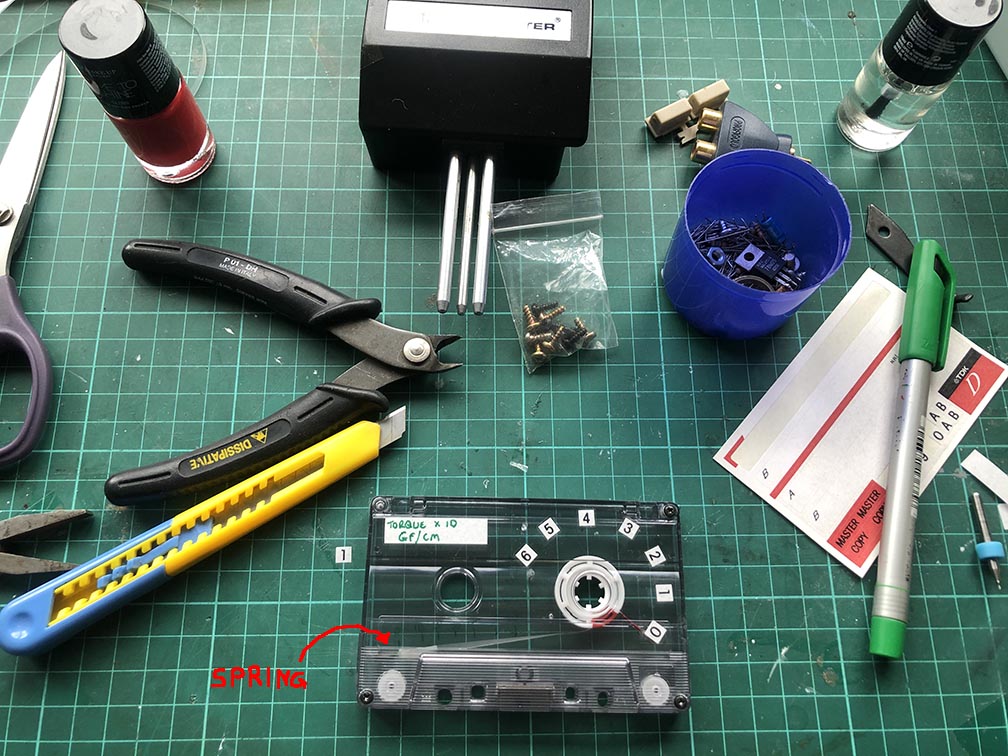
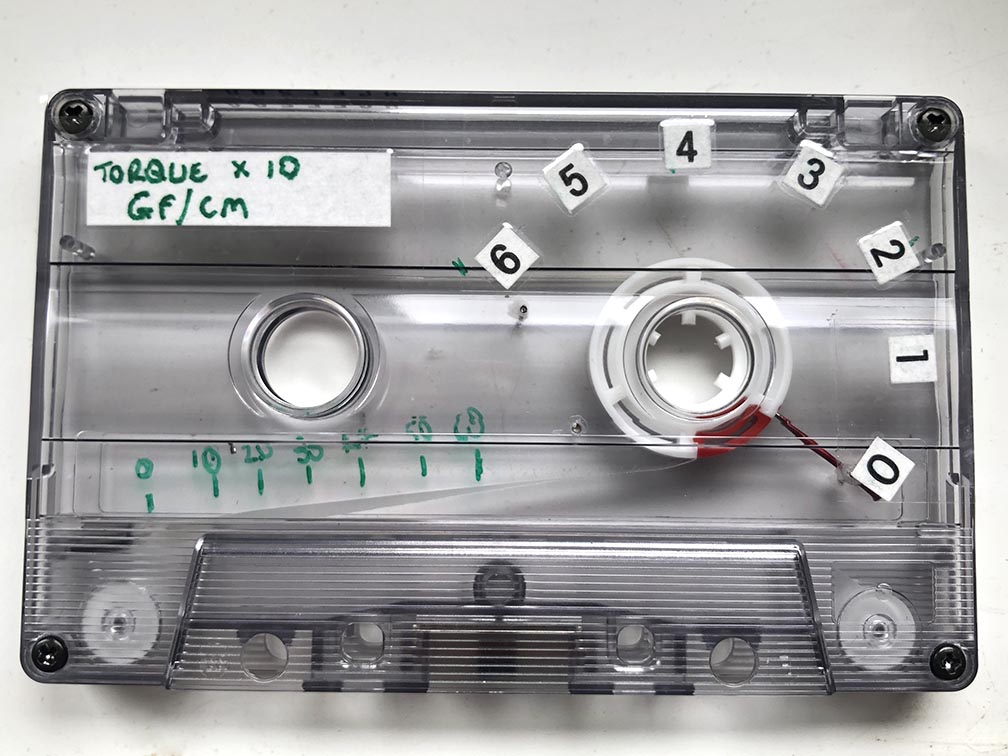
So, armed with a jar of various springs and an old cassette I set about to make my own.
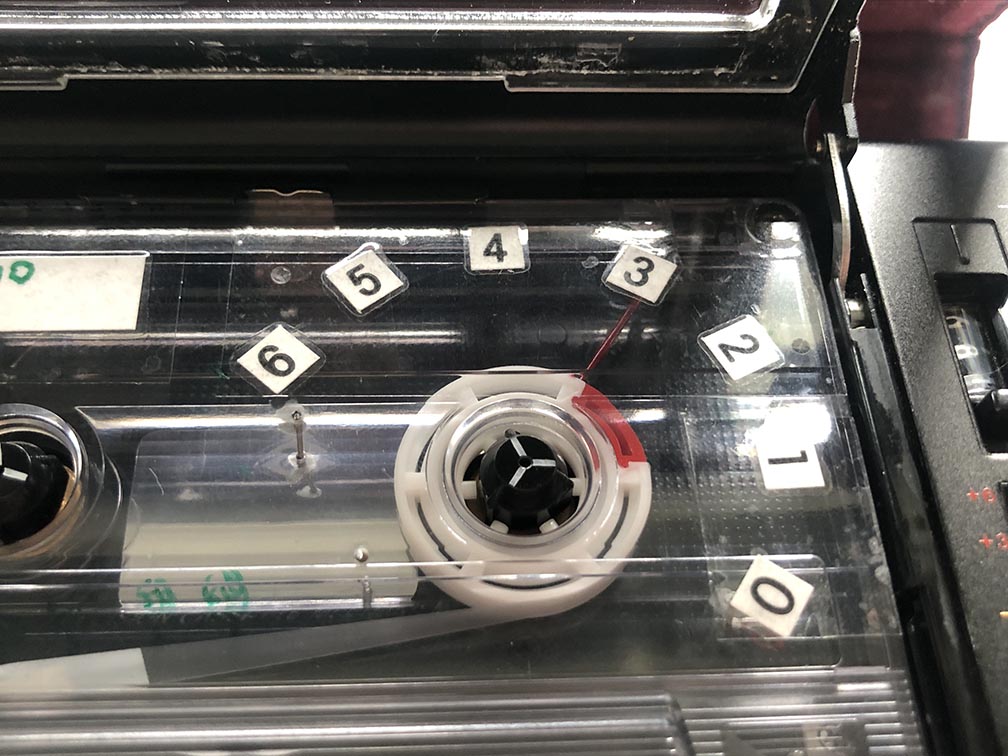
Obviously it’s not going to be a fully rotational unit, however, it will measure perfectly fine for a few seconds before the auto stop cuts in.
Here are the results.
Quite pleased with the result and it’s calibrated to a Tentelometer, so it’s quite accurate.
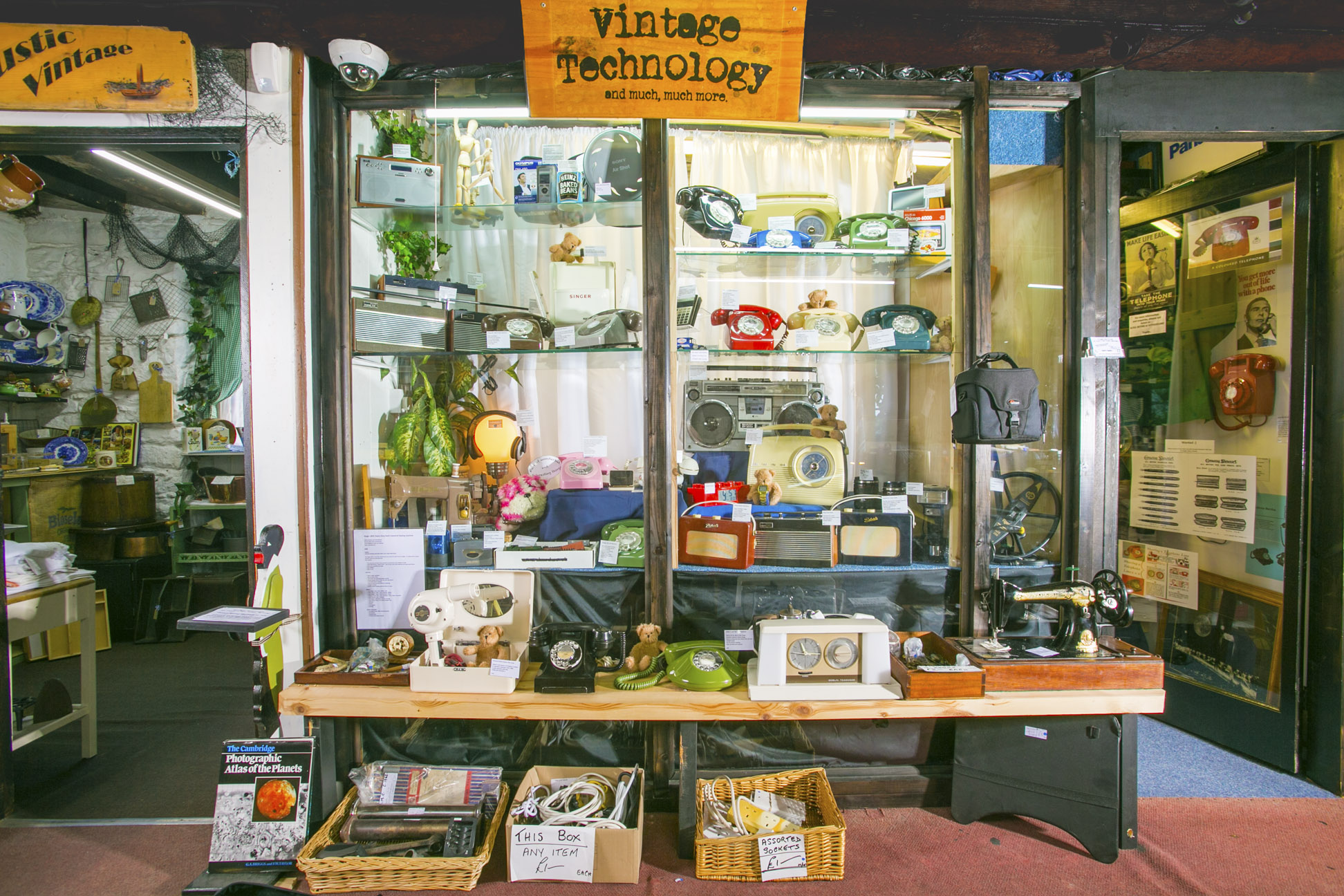
Well, that’s it. Last day open for the shop. Bit of an anticlimax, but to be honest, we haven’t seen a customer in three months, so it couldn’t keep going on forever. Will now be selling what’s left online, so keep an eye out for that update.
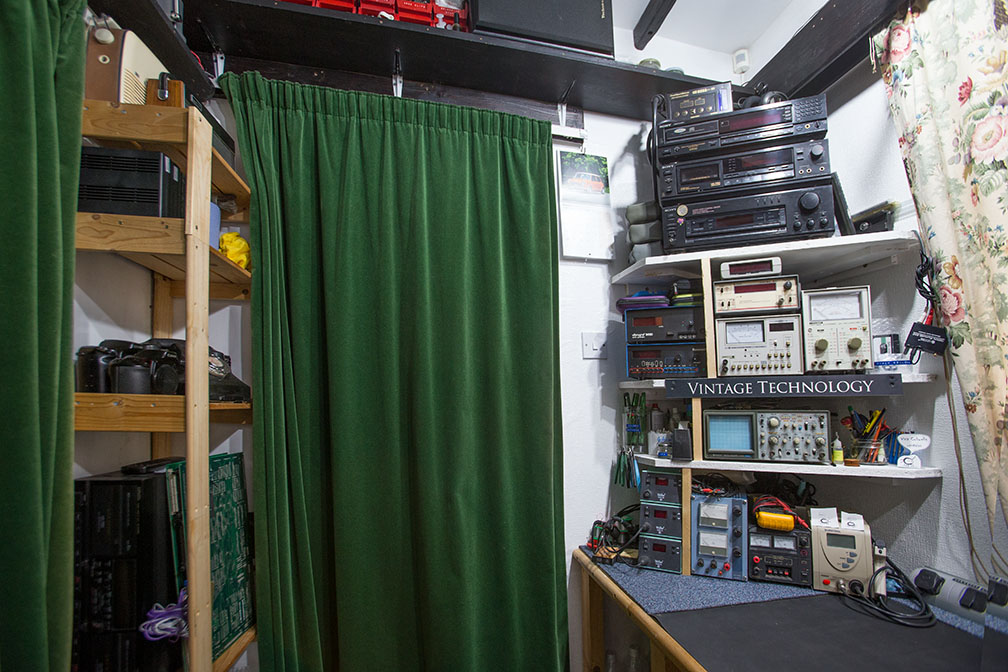
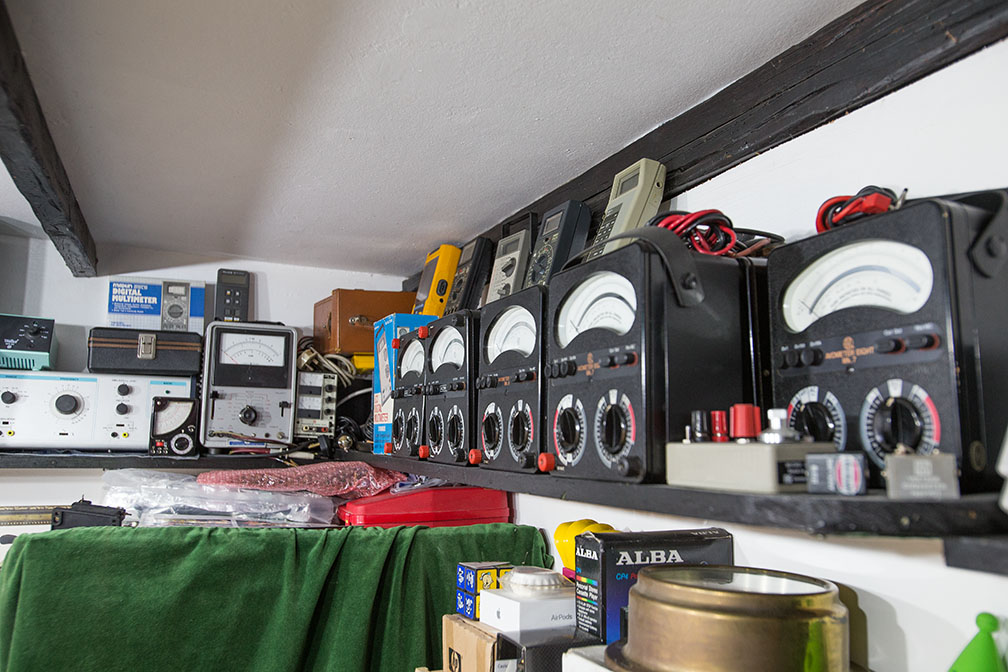
Anyway, at least all the test equipment will be in one place, which will make things a bit easier.
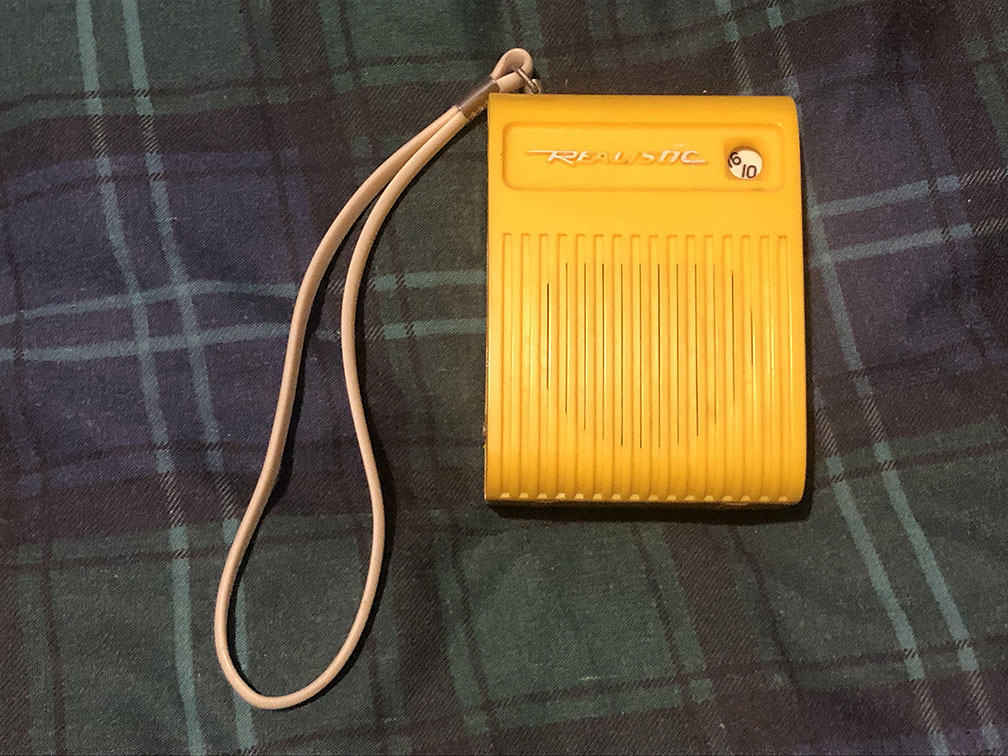
This little radio was donated to the shop, about a year ago, and I just found it when I was tidying up. I decided that would be a good idea to have a quick look to see if it was anything simple.
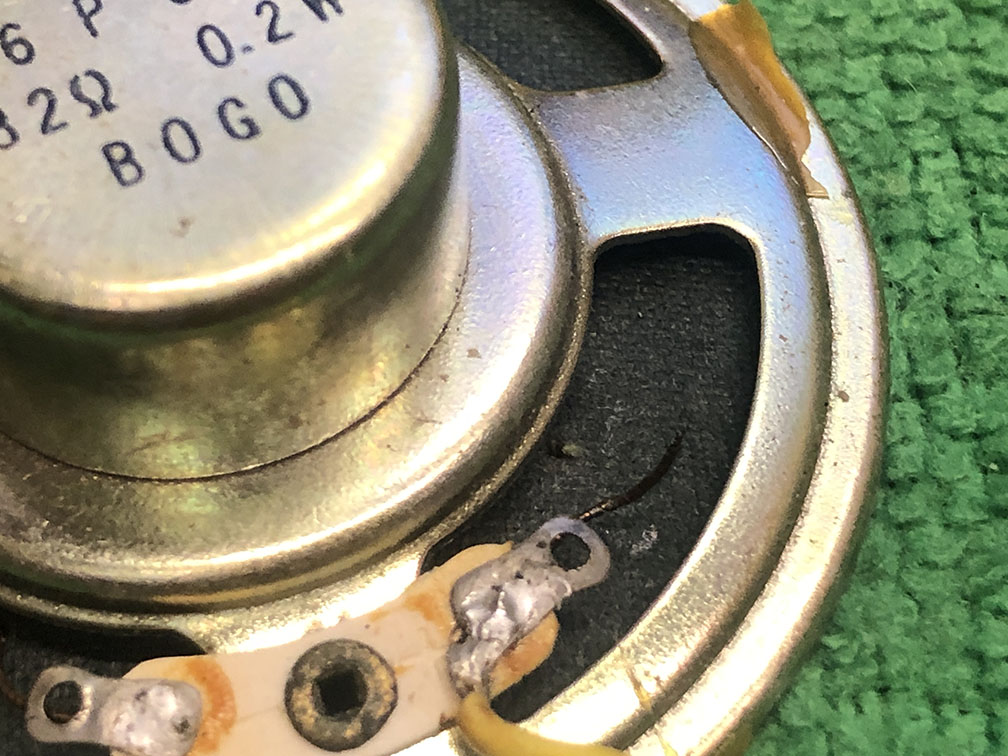
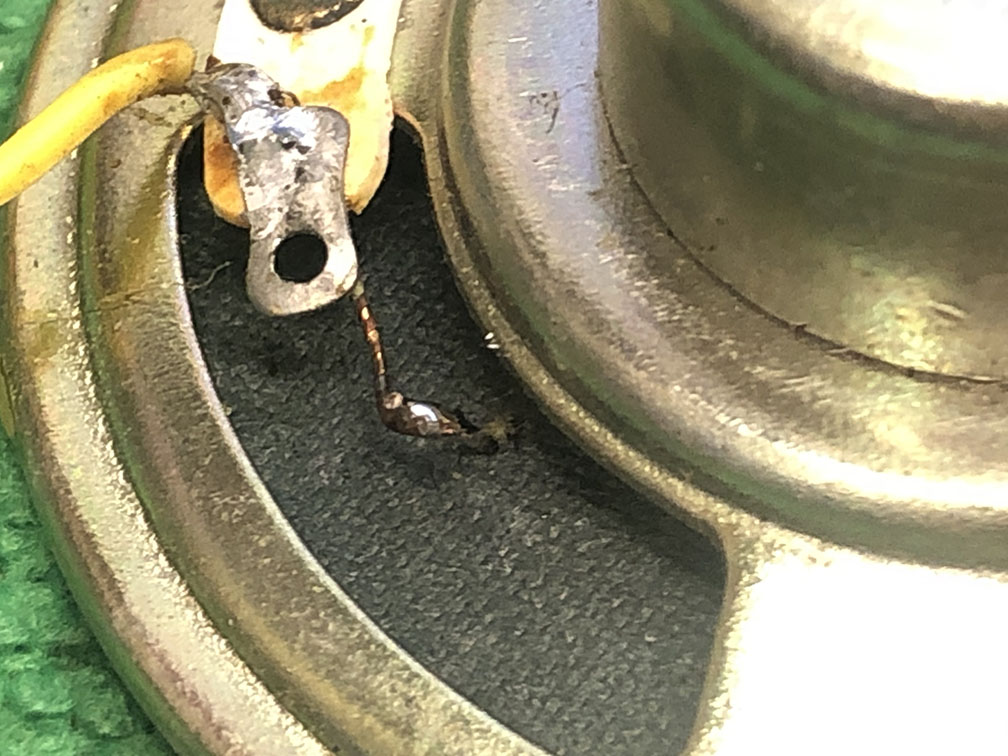
After replacing a few capacitors that had very much leaked, it still didn’t have any sound. Can you possibly see why-
Yes, that’s right the speaker wire had corroded and broken off. Looking at the other side it didn’t look too bad, so I thought I would attempt a very basic repair, that of soldering a wire to the working side of the speaker, poke it through and solder the flexible wire on the other side.
Not perfect, but pretty good, it’s structurally sound and also it works. Another little radio saved from doom.
This video is about upgrading the power supplies to a more reliable switch mode 5 V regulator, and buffering the video output, through the existing socket on the back, with a transistor for a brighter picture.
Today, i’ll be showing a re-skimming of the commutator of a Tamiya technigold motor and a quick demo of a spring tensionometer on an LRP motor as well.
Just a quick video showing how to erase tapes properly.
In a funny sort of way I still like cassettes. When I started out recording stuff, I guess we all bought the cheapest nastiest cassettes we could find (usually from Smiths or the local CO-OP), and then were surprised that they didn’t work very well and chewed up, plus they sounded terrible. Now, I’m able to record on chrome tapes and metal tapes that sound better than CD. Still, I’d napalm those crappy cassette’s, If it wasn’t for the fact that they’re so valuable now. 😀
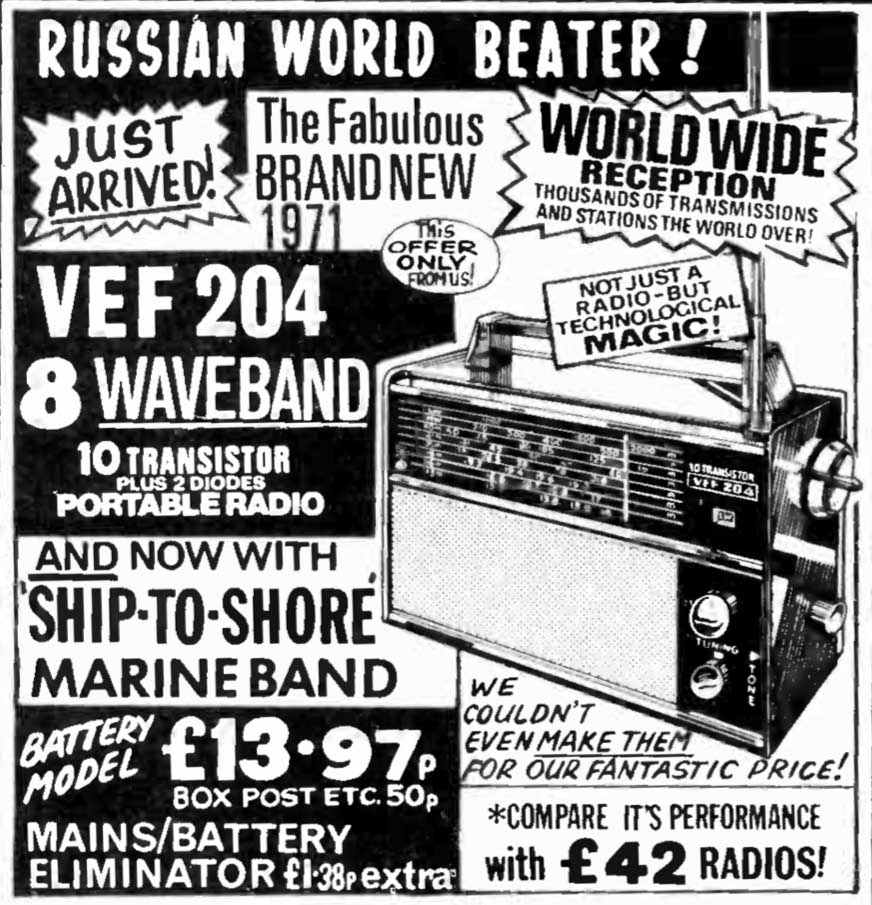
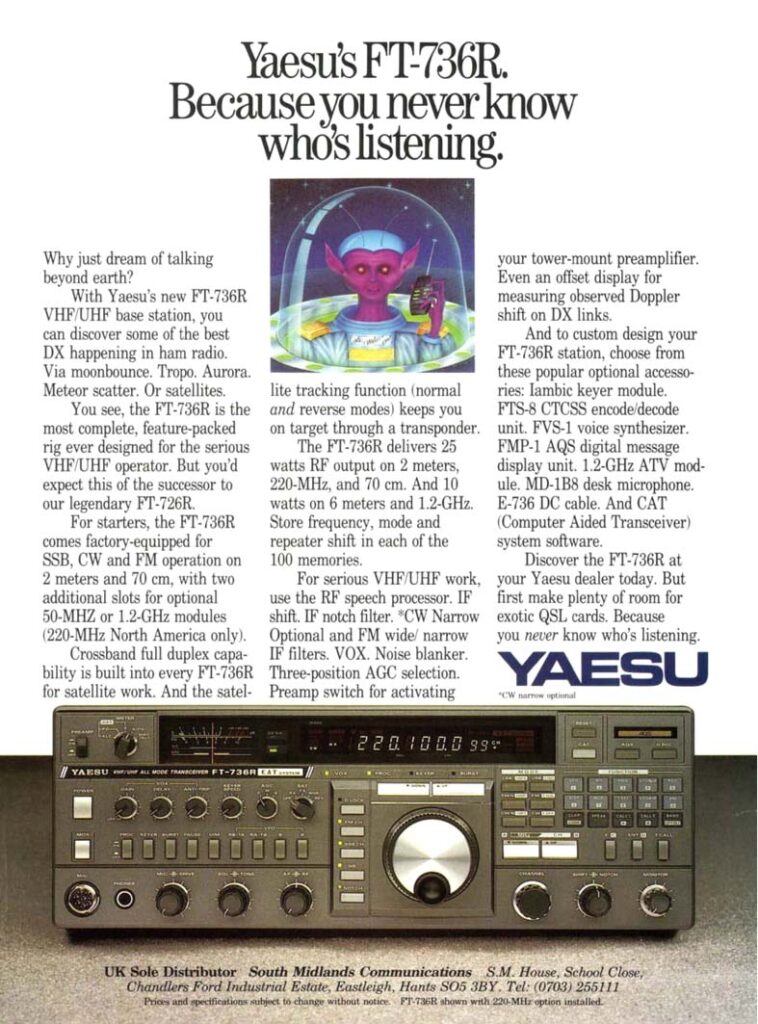
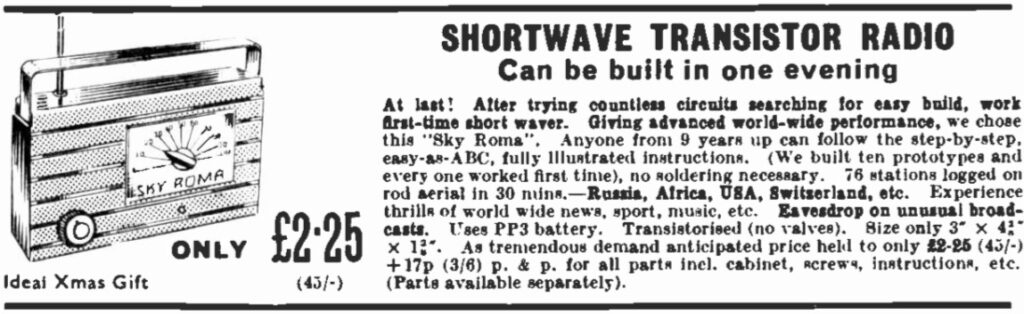
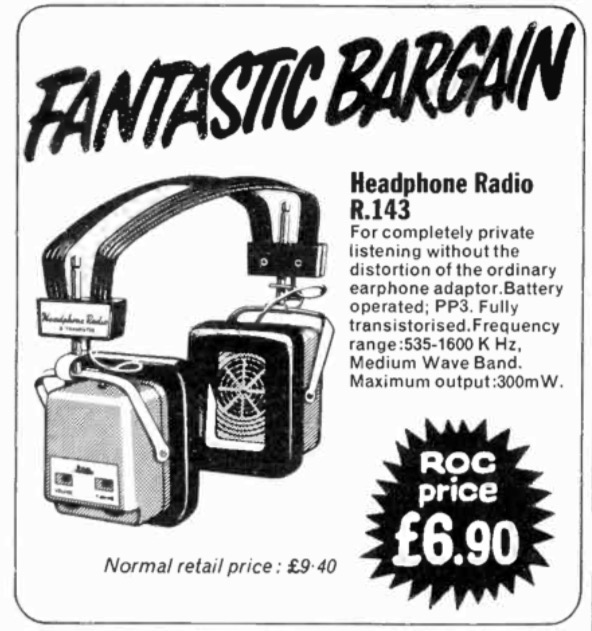
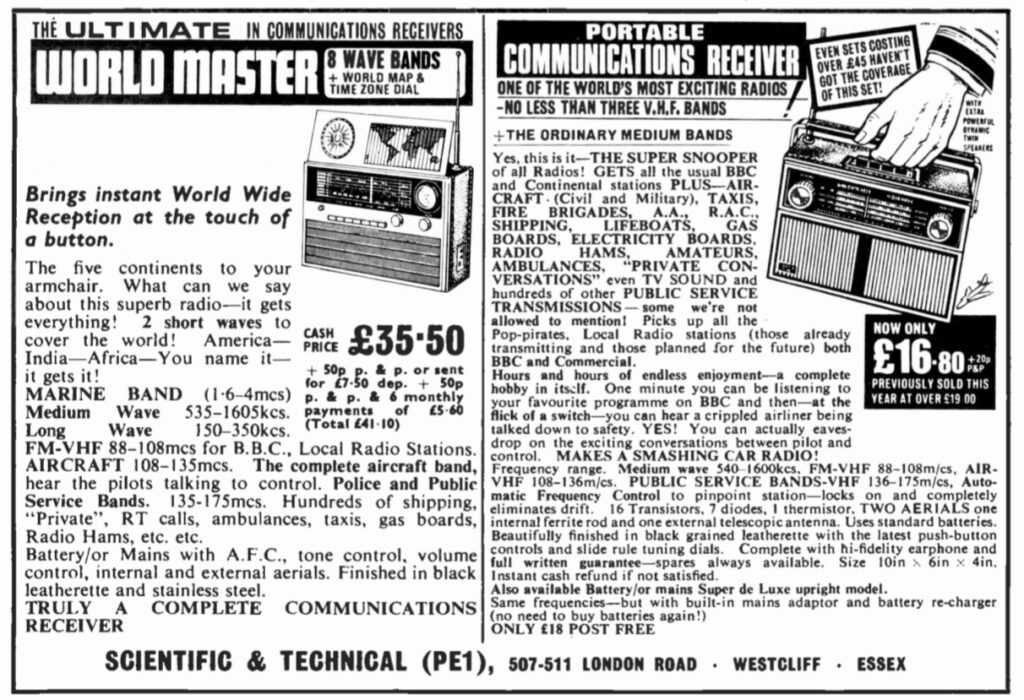
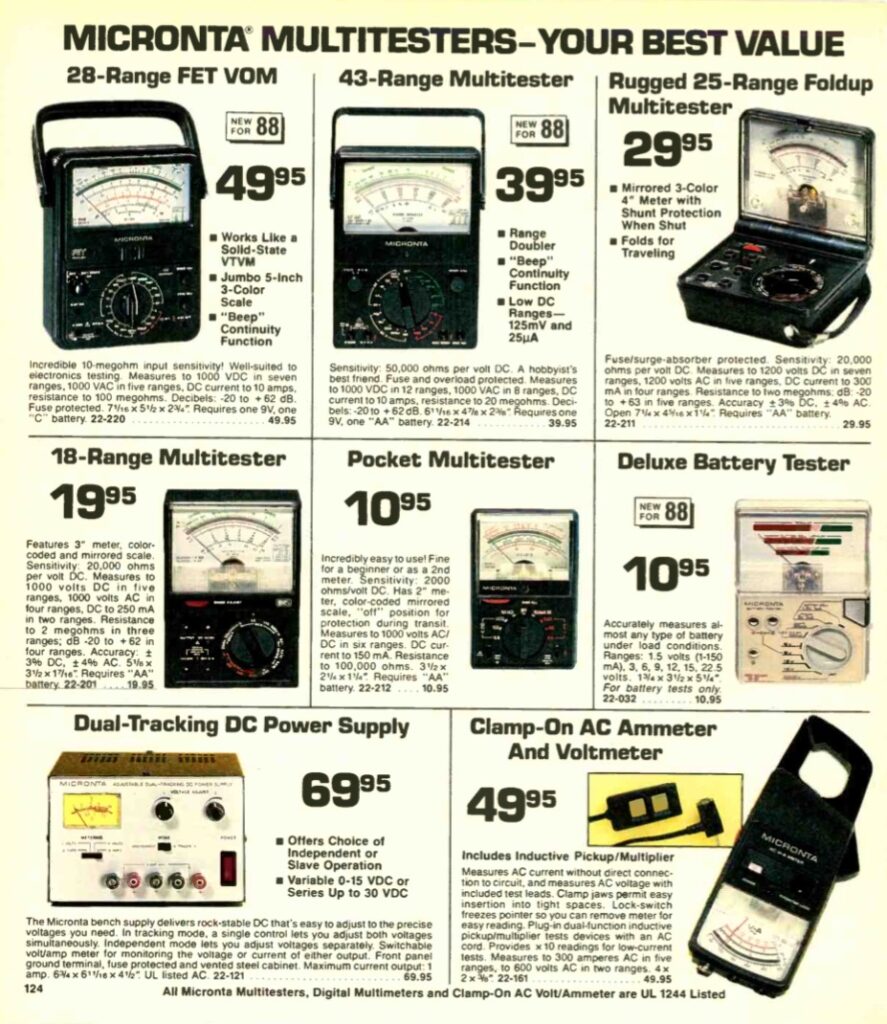
Listening to Tom Brown do the 1977 top 20, and reading Vintage magazines I found in a folder, marked “to be read at some point” including ‘Electronic’s Servicing’, ‘Television’, ‘Practical Wireless’ and ‘Practical Electronics’ also feeling a bit nostalgic and melancholy about yesteryear, (when I used to be overwhelmingly optimistic for electronic servicing’s future). So I thought you might like to see a few vintage adverts. 🙂
Back before the Internet was even a thought, and worries of the average engineer mostly involved trying to find spares, from somewhere mail-order, and getting the set back in reasonable time. Nowadays, you just throw whatever piece of equipment away, after a year, and buy new one. The dying art of the service engineer will soon be a faded memory.